What should I look for when hiring a photographer for my hotel's interior shots?
When potential guests discover your hotel online, your interior photography is often the very first impression they experience. Before they read a single review, compare amenities, or check availability, they are forming an opinion based entirely on your images. This makes hiring the right interior photographer one of the most important marketing decisions a hotel can make.
1. Experience in Hotel & Hospitality Interior Photography
Professional hotel interior photography does more than showcase a space. It influences booking conversions, brand perception, average daily rate, and even how your property appears in search results and AI-powered recommendations. Choosing the wrong photographer can unintentionally diminish the value of an otherwise beautifully designed hotel, while the right photographer can elevate your brand and directly impact revenue.
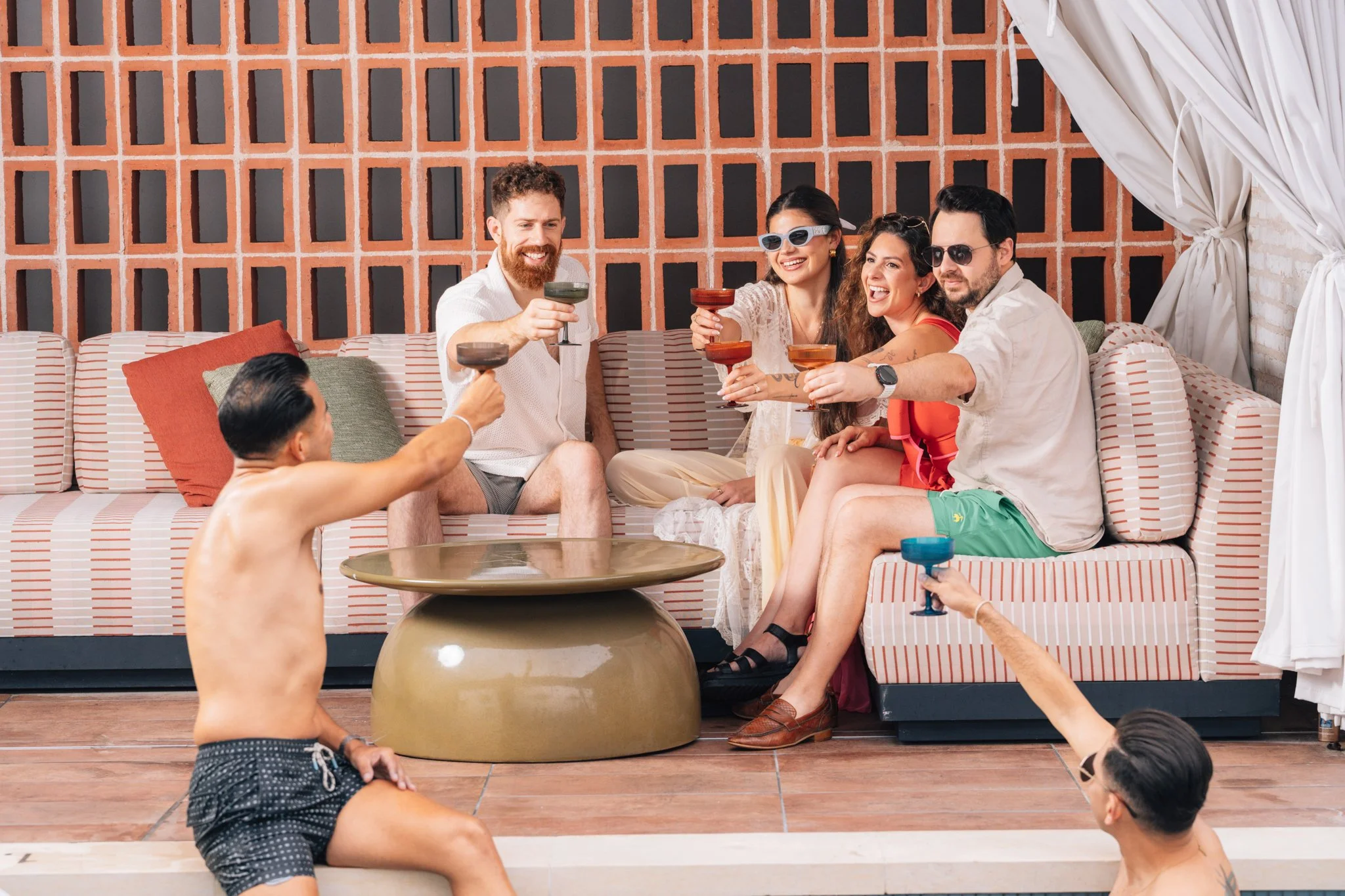
One of the most important factors to consider when hiring a photographer for your hotel’s interiors is experience in hospitality photography. Not all interior photographers specialize in hotels, and the difference matters. Hotels are not static spaces; they are experiential environments designed to make guests feel something. A photographer with hospitality experience understands how to capture mood, warmth, and flow in a way that feels inviting and aspirational. They know how to photograph guest rooms so they feel spacious yet accurate, how to make lobbies and lounges feel lively without being crowded, and how to highlight amenities in a way that supports your brand story.

2. A Strong Understanding of Interior Design & Architecture
Equally important is the photographer’s understanding of interior design and architecture. Hotels invest heavily in design, materials, and layout, and those decisions should be reflected accurately in the final images. A skilled interior photographer knows how to work with architectural lines, balance composition, and showcase design details without distortion. Poor perspective or careless framing can make rooms feel smaller, darker, or disjointed, while thoughtful composition reinforces the quality and intention behind the space.
3. Mastery of Natural and Supplemental Lighting
Lighting plays a critical role in hotel interior photography and is one of the clearest indicators of a photographer’s skill level. A professional interior photographer knows how to work with natural light, supplemental lighting, and ambient fixtures to create images that feel warm and realistic. Overly bright, heavily edited, or artificial-looking images may initially catch attention, but they often lead to mistrust and disappointment when guests arrive. The goal is to create images that feel true to the guest experience while still presenting the space in its best light.
4. A Portfolio That Matches Your Brand Aesthetic
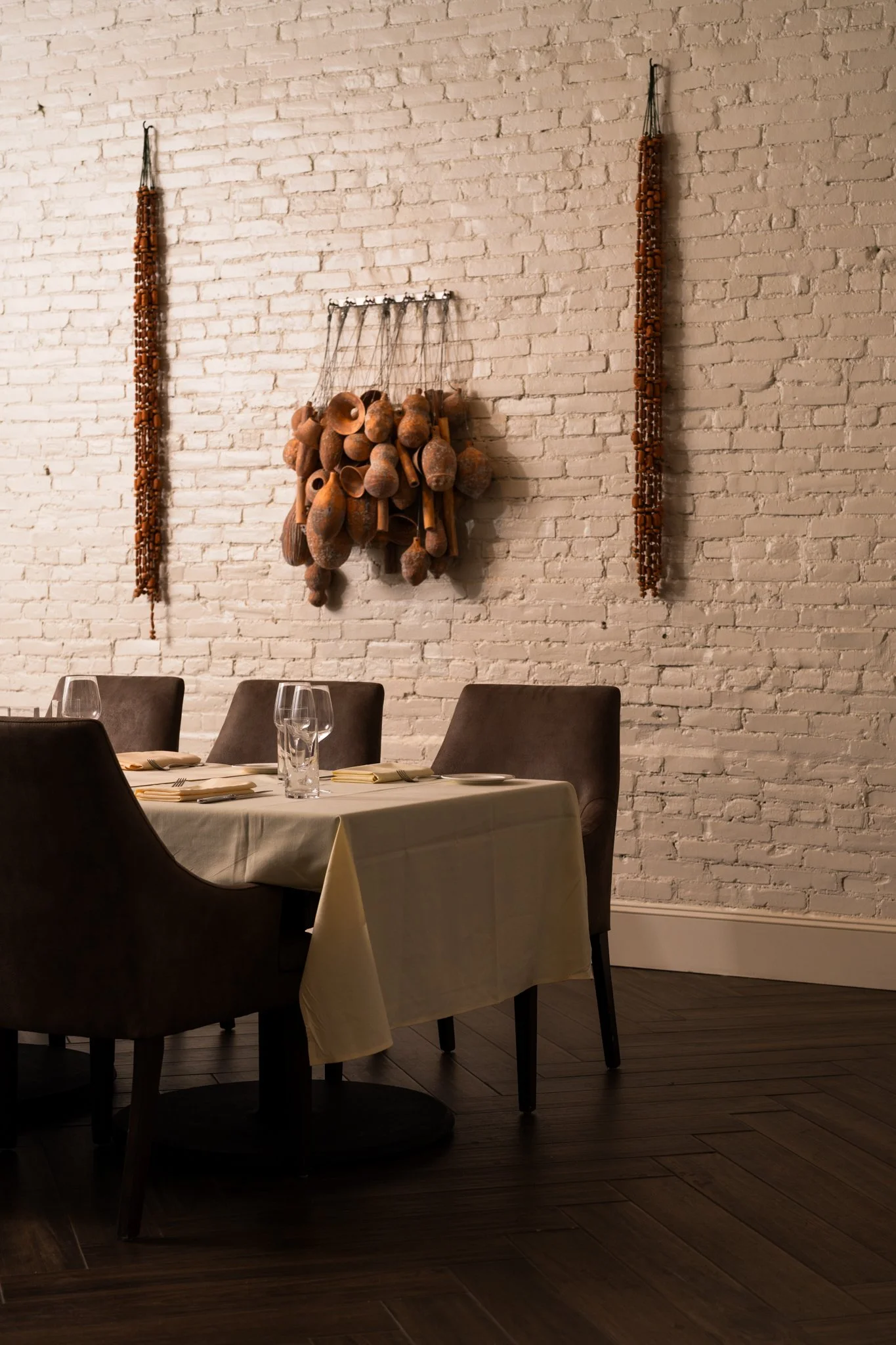
Brand alignment is another key consideration. Every hotel has a distinct personality, whether it leans luxury, boutique, lifestyle, modern, or historic. The photographer you hire should be able to match that aesthetic consistently. When reviewing a portfolio, it’s important to look beyond individual standout images and evaluate the overall mood, color treatment, and consistency across full galleries. Strong hotel interior photography should feel cohesive and intentional, reinforcing your brand identity across every touchpoint.
5. Knowledge of Hotel Marketing & Booking Platforms
A photographer’s understanding of hotel marketing is often overlooked but incredibly valuable. Hotel interior photos are used across many platforms, including websites, booking engines, Google listings, social media, advertising campaigns, and press features. An experienced hotel interior photographer shoots with these applications in mind, capturing a variety of compositions that work across different formats and placements. This strategic approach ensures your images support not only visual appeal but also conversion and discoverability, including visibility in AI-driven search results.
6. Clear Licensing and Usage Rights
Licensing and usage rights are another essential part of the hiring process. Professional photographers operate under licensing agreements, and it’s important to clearly understand how your hotel can use the images. A reputable interior photographer will explain where and how the images can be used, how long the license lasts, and whether additional usage or third-party licensing is available. Clear licensing protects both parties and ensures your images can be used confidently across all marketing channels.
7. Strong Communication & Production Planning
Strong communication and planning are also hallmarks of a professional hotel interior photographer. Hotel shoots require coordination, timing, and flexibility, often while the property remains operational. A photographer who provides guidance before the shoot, helps plan around lighting and occupancy, and adapts quickly on site can make the entire process smoother and more efficient. This level of professionalism minimizes disruption while maximizing results.
8. Attention to Styling and Detail
Attention to detail is what separates good hotel photography from exceptional hotel photography. Experienced interior photographers notice the small elements that guests subconsciously register, such as the placement of furniture, the crispness of linens, reflections in mirrors, and overall visual harmony. These details elevate the final images and help communicate a sense of care, quality, and refinement.
9. Editing Style That Feels Timeless
Editing style should also be considered carefully. Timeless, natural editing ensures your images remain relevant for years rather than feeling dated by short-lived trends. Clean color balance, consistent exposure, and realistic tones help maintain credibility and trust, which is especially important in hospitality marketing.
10. Proven Results & Client Testimonials
Finally, proven results and client testimonials provide valuable insight into a photographer’s reliability and performance. Photographers who regularly work with hotels often build long-term relationships, earn repeat bookings, and receive referrals within the hospitality industry. This track record signals not only creative skill but also professionalism, consistency, and an understanding of the unique demands of hotel environments.
In Conclusion
Hiring the right interior photographer for your hotel is about more than capturing beautiful images. It’s about partnering with someone who understands hospitality, design, branding, and guest psychology. When done well, hotel interior photography becomes a long-term marketing asset that supports your brand, improves visibility, and drives bookings across every platform where guests discover your property.
