Let’s Talk Lighting
The Power of Lighting in Interior Photography: Why Light Direction Matters More Than Natural Light Alone
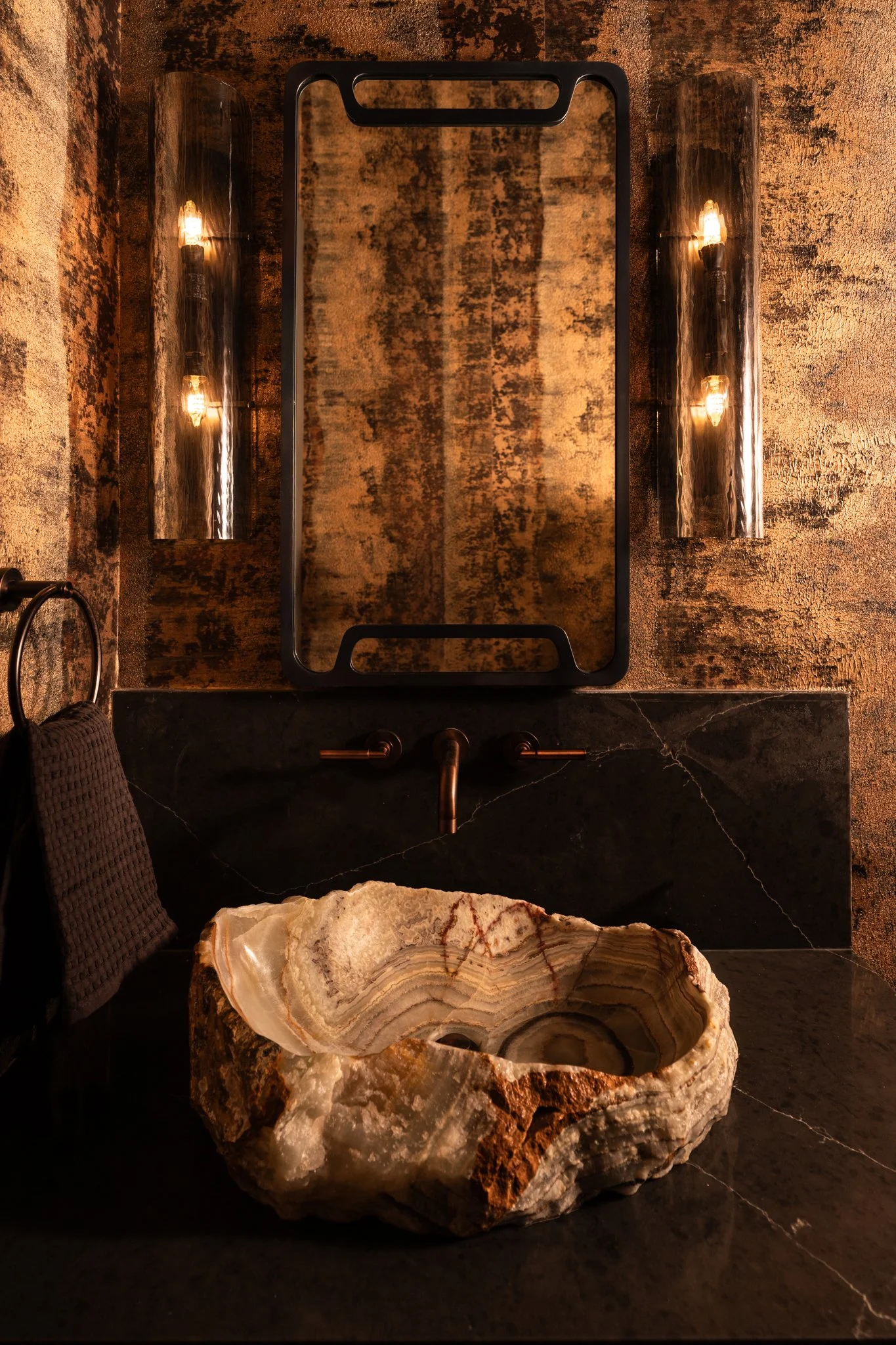
When people search for an interior photographer, one of the first questions they often ask is whether a space receives “good natural light.” Natural light has long been associated with beautiful interiors, and while it certainly has its place, relying on it alone can limit what interior photography is capable of achieving.
Professional interior photography is not simply about capturing what a room looks like at a certain time of day. It is about shaping how that space is experienced visually. Lighting—specifically the direction and angle of light—is one of the most powerful tools an interior photographer has to create depth, mood, and intentionality within an image.
Natural Light Documents a Space — Controlled Lighting Designs It
Natural light is reactive by nature. It shifts as the sun moves, changes color temperature as clouds pass, and behaves differently in every room depending on window placement and orientation. While this can create beautiful moments, it also introduces inconsistency and unpredictability—especially in larger homes, commercial interiors, and hospitality projects where cohesion matters.
Controlled lighting allows an interior photographer to move beyond documentation and into design. Instead of chasing the sun, the image is built intentionally. Light is shaped to support the architecture, enhance materials, and maintain visual balance throughout a project. The result is imagery that feels deliberate rather than dependent on circumstances.
Why the Angle of Light Is Everything in Interior Photography
The direction of light plays a critical role in how a space is perceived. Even when exposure is technically correct, an image can feel flat if light is coming from the wrong angle. When light is thoughtfully positioned, it creates shadows that add depth, separation, and texture—bringing cabinetry, millwork, fabrics, and finishes to life.
A subtle change in light direction can transform the same room from static to dimensional. Texture becomes visible in wood grain and stone. Architectural lines gain definition. The eye is guided naturally through the space instead of wandering aimlessly. These shifts are often subconscious to the viewer, but they are what distinguish professional interior photography from images that simply record a room as it appears.
Lighting as the Foundation for Consistency Across a Project
One of the greatest challenges of natural-light-only interior photography is maintaining consistency. Interior projects frequently span multiple rooms, different window orientations, and long shooting days where light conditions shift hour by hour. Without lighting control, images may look disconnected when viewed as a collection, even if each photograph appears strong on its own.
Professional lighting allows an interior photographer to maintain color balance, contrast, and mood across an entire shoot. This consistency is essential for designers, builders, and hospitality brands who rely on interior photography for websites, press features, marketing campaigns, and social media. Cohesive imagery communicates professionalism and elevates the perceived quality of the brand as a whole.
From Capturing Images to Crafting Visual Narratives
There is a meaningful difference between photographing a space and crafting an image. Natural light reacts to the environment, while controlled lighting responds to intention. By shaping light thoughtfully, an interior photographer is able to create images that align with a designer’s vision and a brand’s identity rather than being tied to a fleeting moment in time.
This approach does not eliminate natural light—it works in partnership with it. Controlled lighting enhances existing daylight, filling gaps, correcting color inconsistencies, and refining the final image so the space is presented at its best. The result is interior photography that feels timeless, polished, and purpose-driven.
Why Lighting Matters When Choosing an Interior Photographer
Interior photography is more than visual documentation; it is a long-term business asset. High-quality, well-lit imagery communicates craftsmanship, attention to detail, and professionalism. These images often live far beyond the initial shoot, supporting marketing efforts, press placements, and brand storytelling for years to come.
When lighting is treated as a creative tool rather than an afterthought, interior photography moves from simply showing a space to selling the experience of it. The angle of light, though often unnoticed, becomes one of the most powerful elements shaping how a viewer connects with the space.
The Takeaway
Natural light has its place in interior photography, but it is intentional lighting that elevates an image. Direction, depth, and control allow an interior photographer to design how a space is seen rather than leaving the outcome to chance.
Same space.
Same composition.
Different light — completely different result.
