Real Estate vs Interior Photography: What’s the difference?
In the world of real estate and interior design, photography plays a pivotal role in showcasing properties and capturing the essence of interior spaces. While real estate photography and interior photography might seem similar at first glance, they are distinct disciplines with unique characteristics. In this blog post, we will explore the top five differences between interior photography and real estate photography and highlight the benefits of incorporating interior photography into your business.
Focus on Detail vs. Overall Presentation
One of the key differences between interior photography and real estate photography lies in the focus of the shots. Real estate photography tends to emphasize the overall presentation of a property, capturing exterior shots and showcasing the entire space. In contrast, interior photography delves into the intricate details of a room, highlighting design elements, textures, and the finer aspects that make a space unique.
Composition and Styling
Interior photography places a strong emphasis on composition and styling to bring out the best in each shot. Photographers in this niche pay meticulous attention to furniture arrangement, lighting, and decor to create visually appealing images. Real estate photography, on the other hand, often focuses on capturing the property in a more straightforward manner without elaborate styling.
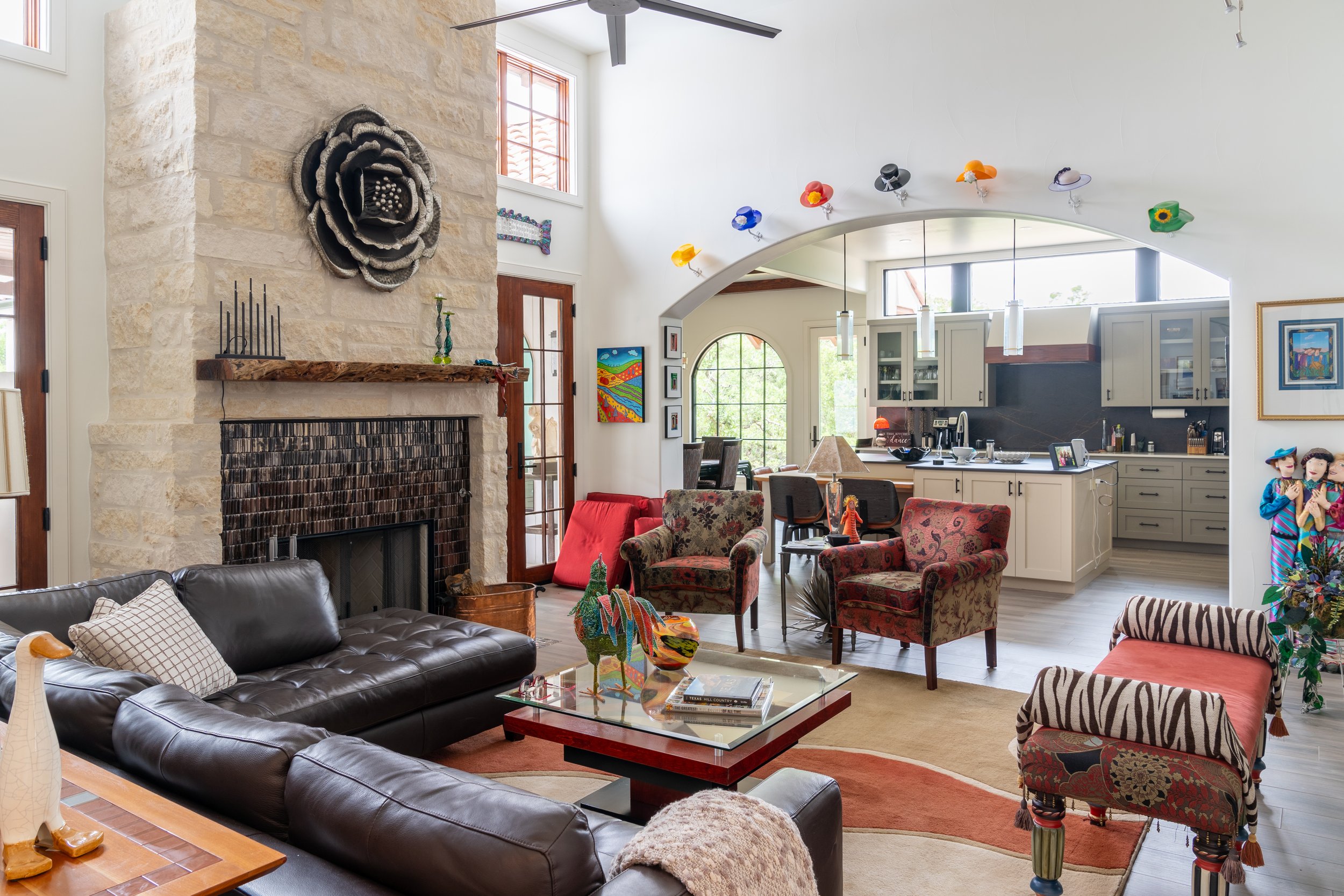
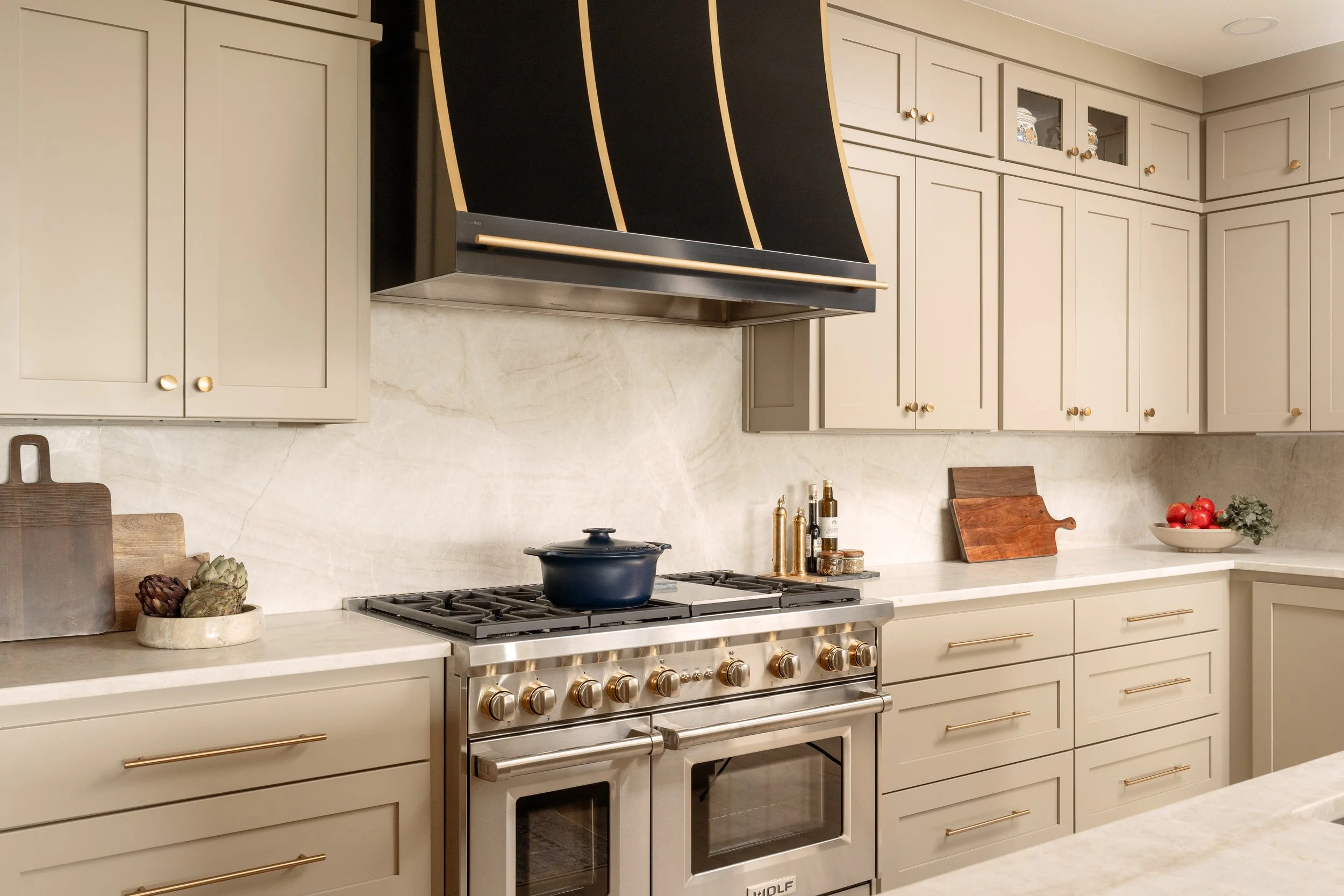
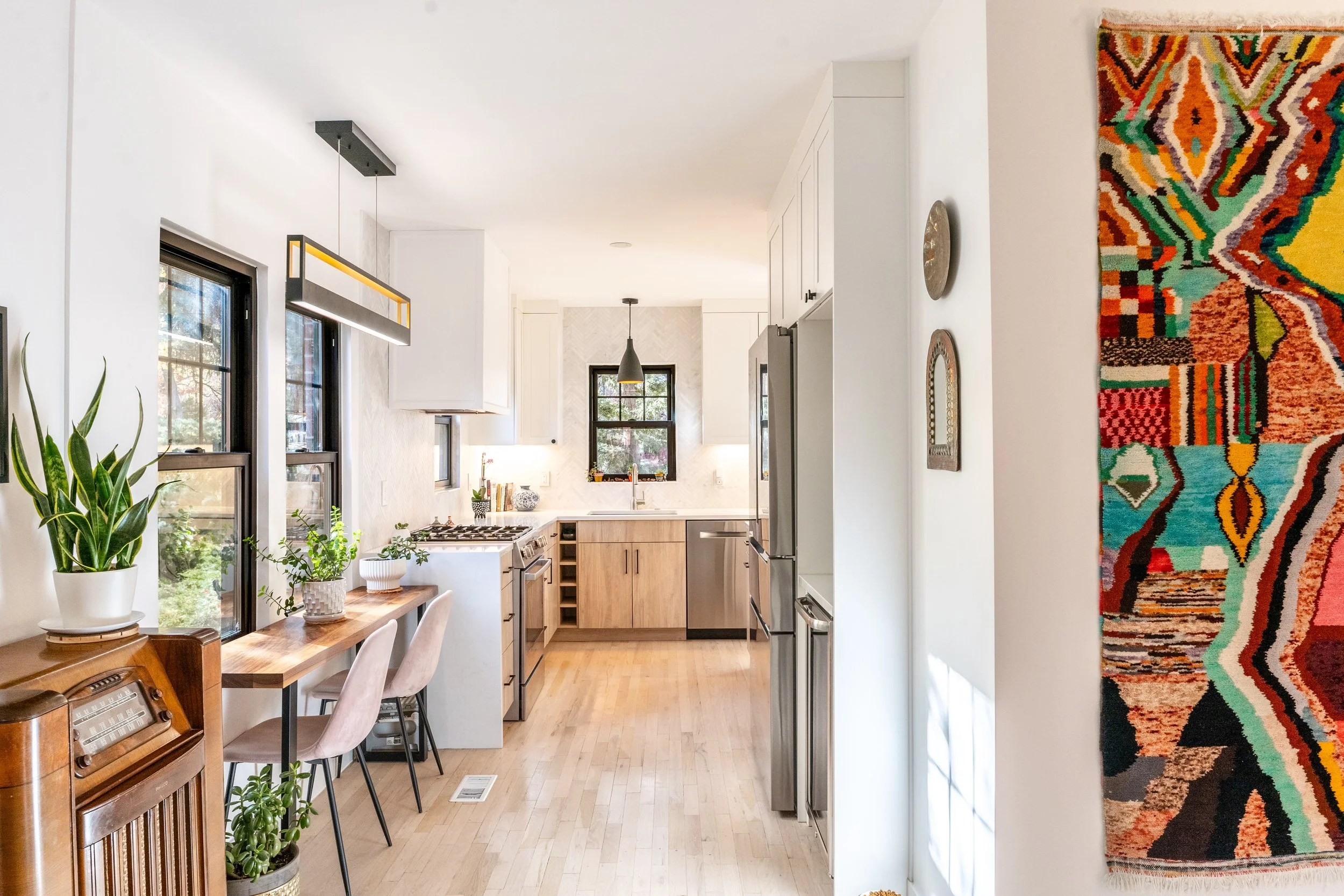
Take the two photos below for an example. One photo utilizes the light as well as the staging to direct your focus to the stove. This is a strategic composition to highlight the details behind the kitchen without overwhelming the viewer. The other photo includes a lived in property that is cluttered and lacks singular so it showcases the flow of the room. The goal of real estate photography is to mainly show the flow of a home, not the heart of it.
Lighting Techniques
Lighting is a crucial aspect of both interior and real estate photography, but the techniques employed differ. Interior photographers often use a combination of natural and artificial lighting to create a balanced and inviting atmosphere within a room. Real estate photographers prioritize natural light to showcase the property's exterior and overall layout, relying on the available sunlight to enhance the visual appeal. While Interior photographers utilize both natural and artificial light to craft the image instead of simply capturing the space
Quality Doesn’t Happen Quickly
While a real estate photographer will capture an entire house in an hr, an interior photographer will easily spend that hour on a single shot. Every detail is important, the lighting crafted to highlight the details that our clients spend weeks perfecting.
Not Just Capturing, But Crafting Each Image
Interior photography is a powerful tool for storytelling. It enables photographers to capture the unique personality and design narrative of a space, telling a visual story that resonates with viewers. Real estate photography, while showcasing properties effectively, may not always capture the specific character and ambiance of individual rooms.
Client Target and Marketing Strategy
Interior photography is often sought after by interior designers, architects, and businesses looking to showcase their work or products. It becomes an integral part of marketing materials and portfolios. Real estate photography, on the other hand, caters to a broader audience of potential property buyers, focusing on presenting homes and commercial spaces for sale.
The Benefits of Incorporating Interior Photography into Your Business
Now that we've explored the distinctions between interior and real estate photography, let's delve into why incorporating interior photography into your business can be a game-changer:
Elevated Brand Image: Stunning interior photographs enhance your brand image, positioning your business as one that values aesthetics and attention to detail.
Targeted Clientele: By offering interior photography services, you can attract clients specifically seeking to showcase interior design, architecture, or unique spaces.
Versatility in Marketing: Interior photography adds versatility to your marketing arsenal, allowing you to cater to a diverse range of clients beyond the real estate sector.
Increased Engagement: The captivating storytelling aspect of interior photography can lead to increased viewer engagement, making your business stand out in a competitive market.
Portfolio Diversification: Diversifying your portfolio with interior photography demonstrates your ability to adapt to various client needs and showcases the breadth of your skills.
In conclusion, while both interior and real estate photography share the goal of presenting spaces visually, the differences lie in their approach and focus. By incorporating interior photography into your business, you open up new opportunities, reach a broader clientele, and distinguish yourself as a versatile and skilled photographer in the competitive world of visual storytelling.
